Learners thrive when the people supporting them share understanding, communicate openly, and grow together over time.
Visually Speaking creates visually rich supports and invites conversation around learning, growth, and connection.



We let the
learner lead
We approach with curiosity and notice what a learner is already engaged in, building from their cues and interests.
We share
language
We explore what words mean and build shared understanding through ongoing conversation.

We make
learning visible
Visuals turn abstract thinking into something concrete that we can revisit and use together.

We support
growth over time
Learners evolve, so we respond to changing skills, interests, and needs rather than fixed ages or stages.
Explore nine Core Conversations that support thriving learners.
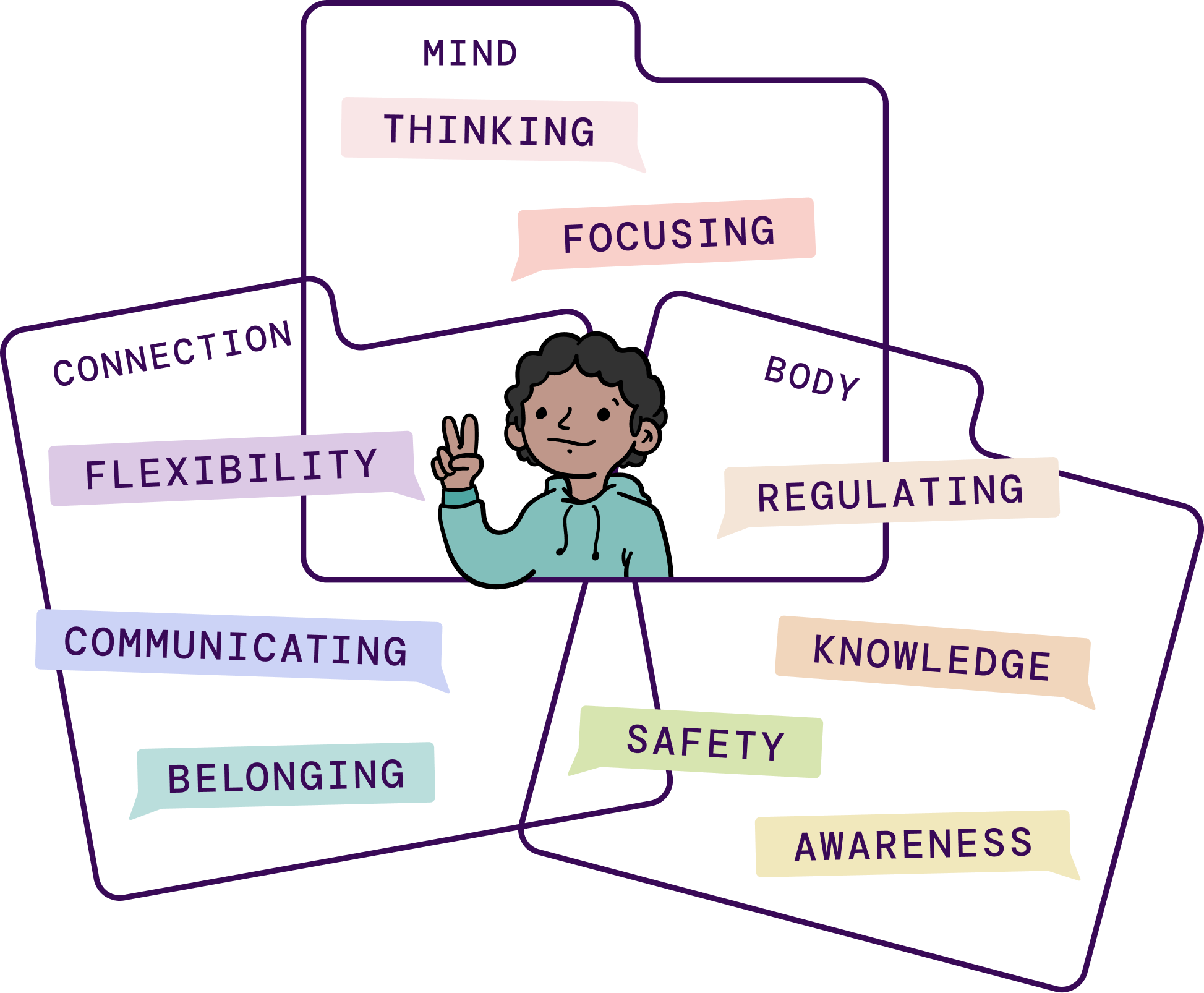
These conversations are part of the Thriving Learner FrameworkTM – a learner-centred model organized around three focus areas: Mind, Body and Connection.
Mind
Thinking
How learners hold important information in mind and use it to plan and solve problems.
Shop ThinkingFocusing
How learners notice their attention and use tools to focus on what matters right now.
Shop FocusingRegulating
How learners respond to their brain and body signals and find ways to return to readiness.
Shop RegulatingBody
Knowledge
How learners build on what they already know and connect new ideas to their experiences.
Shop KnowledgeConnection
Communicating
How learners send messages, understand others, and share their ideas and needs.
Shop CommunicatingFlexibility
How learners adapt to change and explore different ways of thinking and doing things.
Shop Flexibility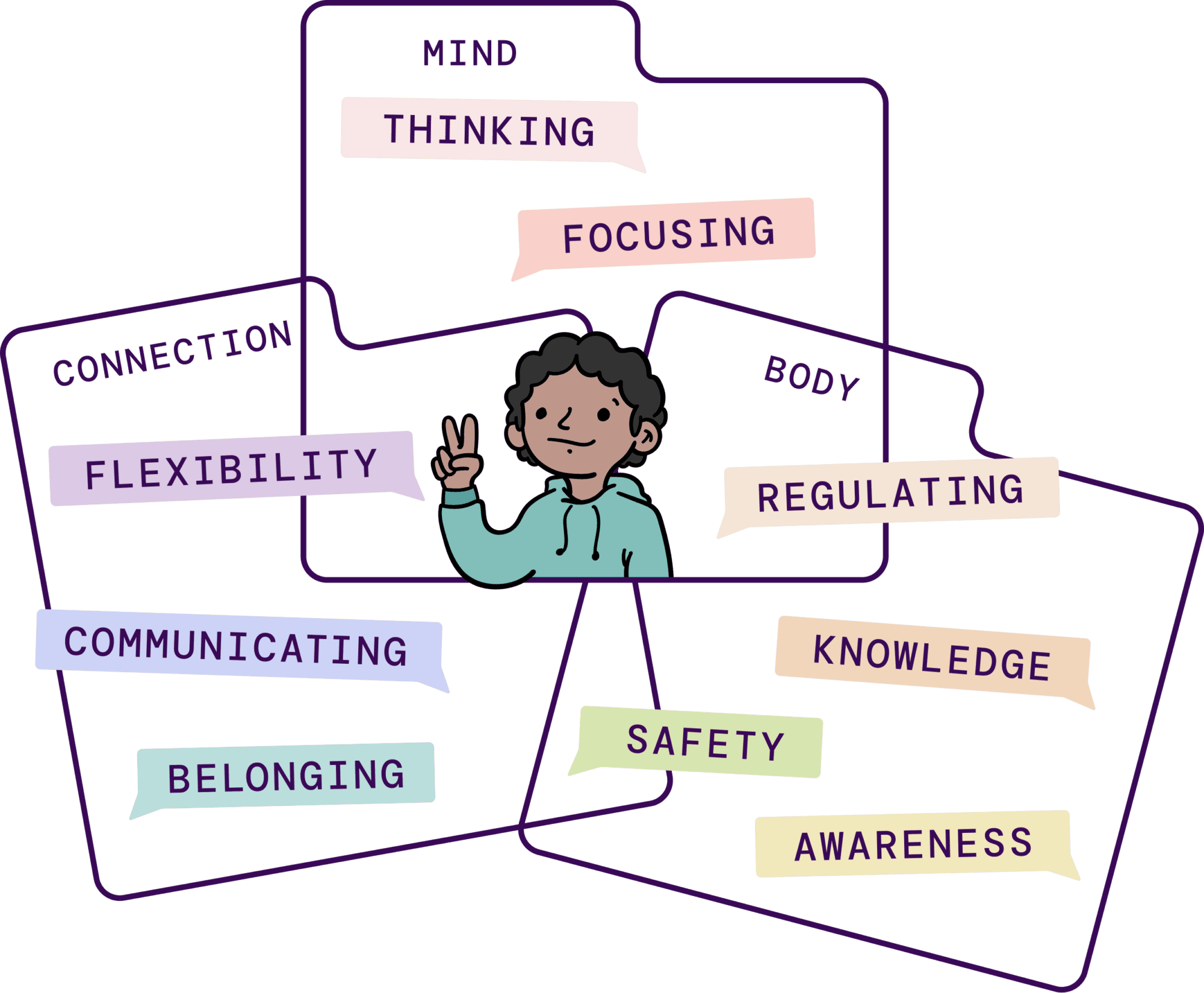
Breaking down our framework and how we think about learning
Explore the model to see how a learner’s mind, body, and connections overlap and interact throughout their growth over time.
1
Mind, Body, and Connection
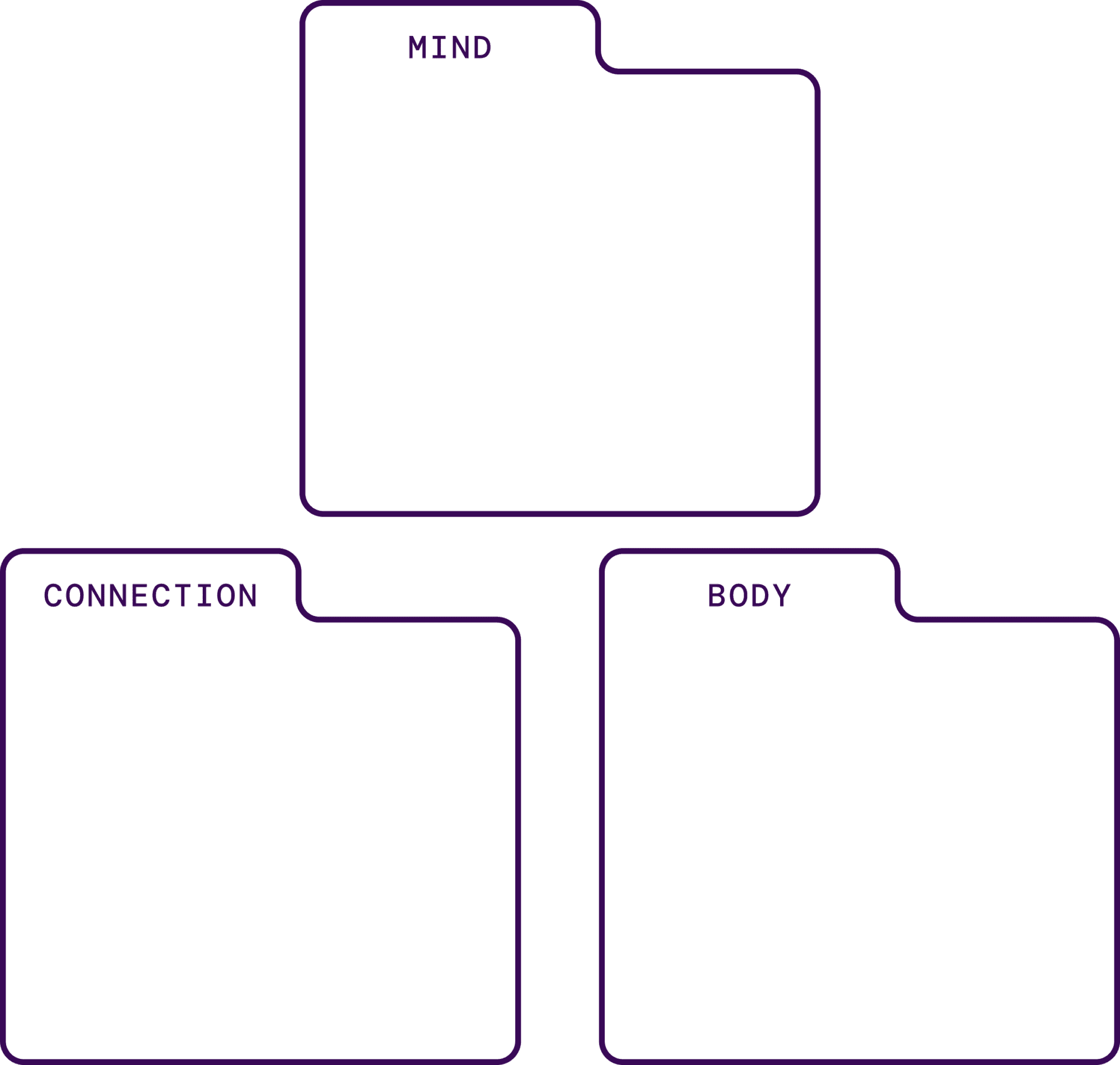
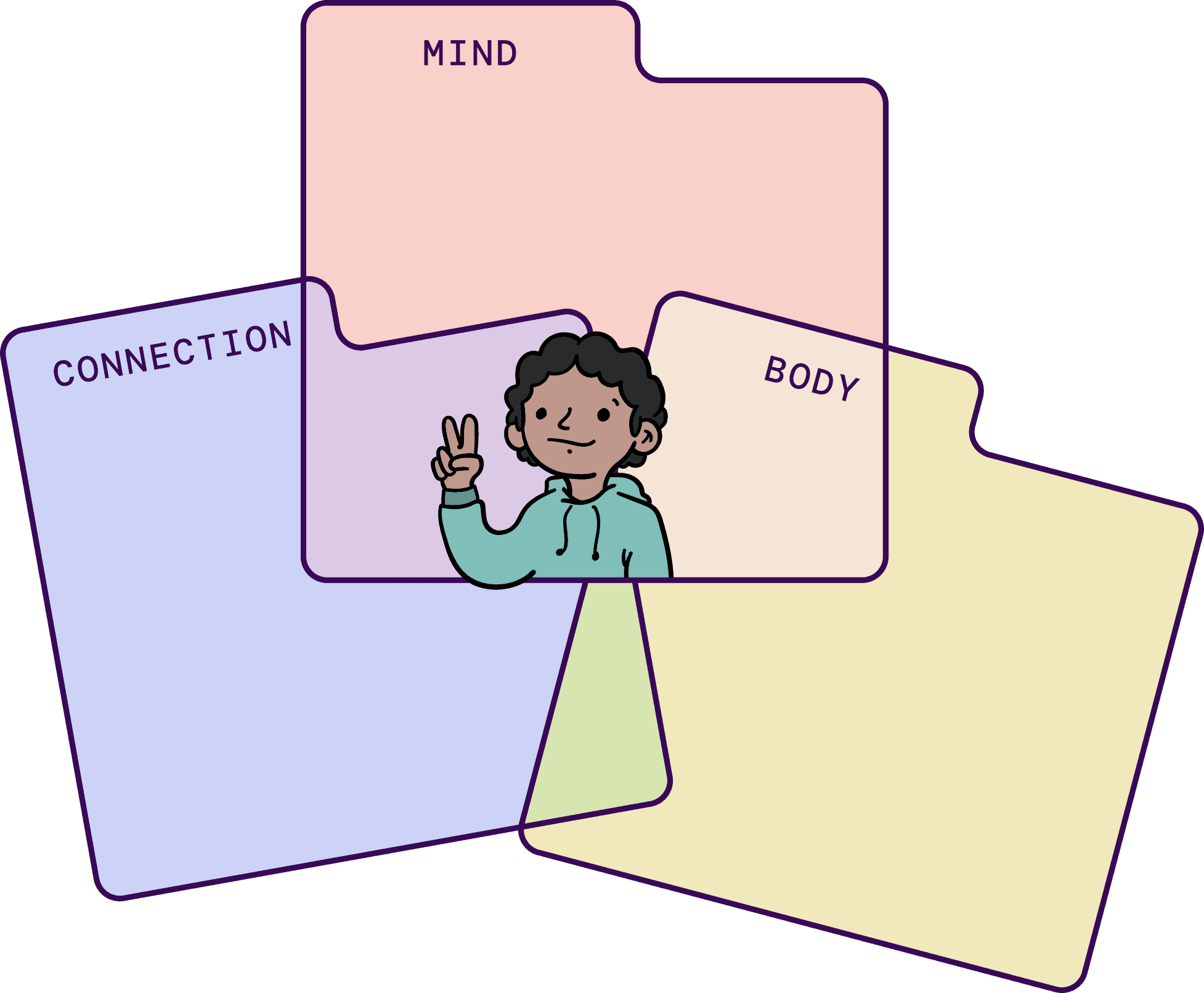
The Thriving Learner FrameworkTM is organized around three themes: mind, body, and connection
2
Where Learners Thrive
Thriving happens when mind, body, and connection develop together.

3
Where Learning Overlaps
Learning often involves more than one area at a time.
4
Nine Core Conversations
These conversations help us focus on what matters in a learner’s growth.
For coaches of all kinds
Many people support learners in more than one role. Find the entry point that works for you.

Parent Coaches
For parent coaches
You support learning through everyday moments with your child — noticing patterns, following how they learn best, and adapting as they grow.
Visually Speaking helps you put words to what you’re noticing, communicate with others who support your child, and use visuals that make daily life feel more manageable and connected.
These types of coaches might include:
Parents, guardians, grandparents, caregivers and more


Professional Coaches
For Professional Coaches
You support learners across settings—noticing patterns, adapting your approach, and responding with care and flexibility.
Visually Speaking helps you make learning visible, connect with families and teams, and use shared tools that strengthen communication, planning and meaningful next steps.
These types of coaches might include:
Educators, therapists, clinicians, support staff, and interdisciplinary teams


Self Coaches
For self coaches
You are learning, reflecting, and growing in your own role as a coach — strengthening your approach with intention and care.
Visually Speaking helps you deepen your understanding, explore supportive practices, and use tools that strengthen your work while also supporting you.
When coaches feel supported, everyone can thrive.
These types of coaches might include:
Parents, professionals, and individuals developing their own supportive practice

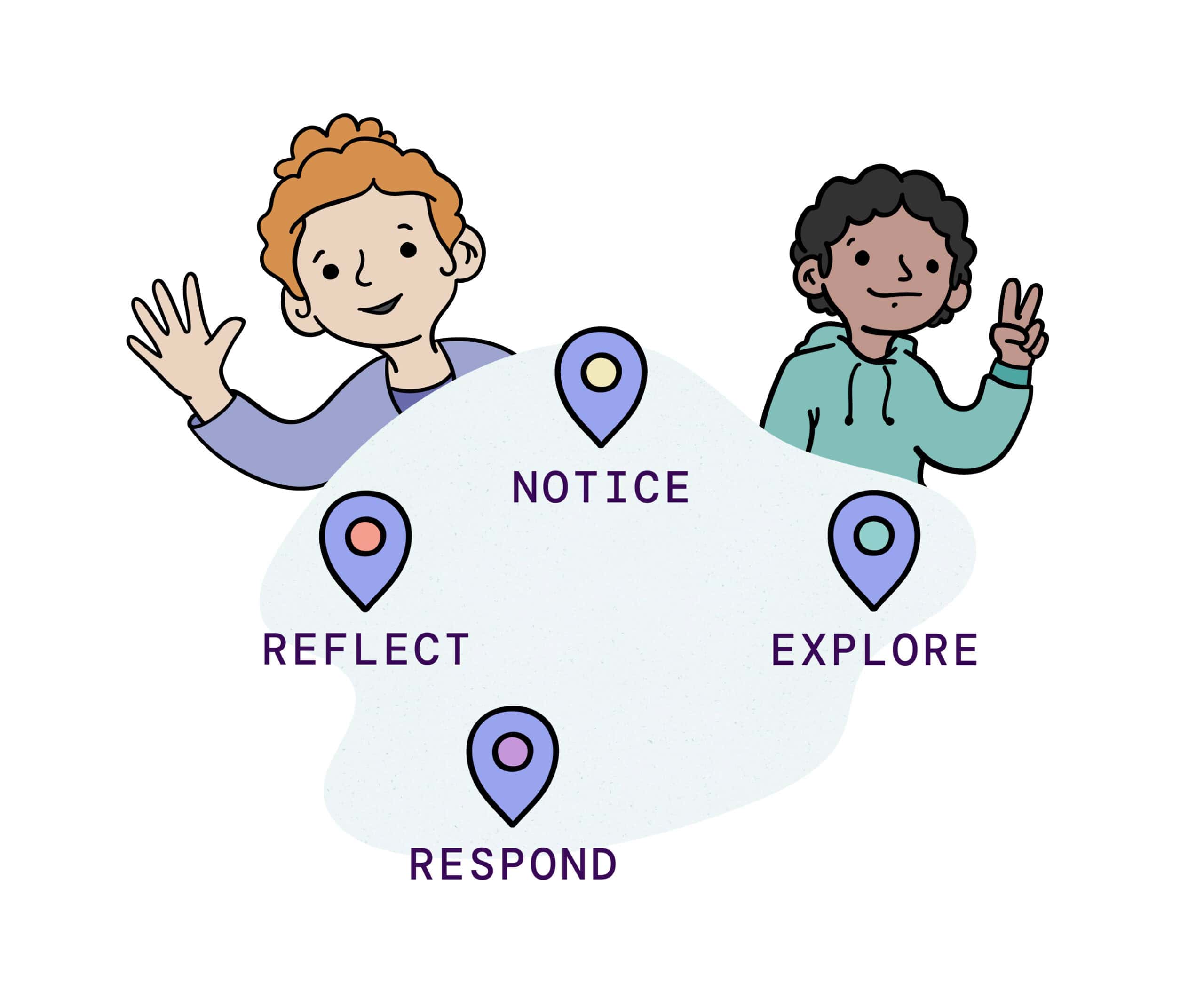
Breaking down our process and how we thrive together.
Effective learner support depends on relationships, interaction, and shared understanding.
The Thriving Together Process shows how Visually Speaking makes that experience visible.

Noticing
Observe cues, strengths, and interests.

Exploring
Consider supports, tools, and environments.

Responding
Use strategies in everyday moments.

Reflecting
Reconnect, revisit, and continue conversations.